
Why Are Termite Inspections Crucial for Sydney Homes?
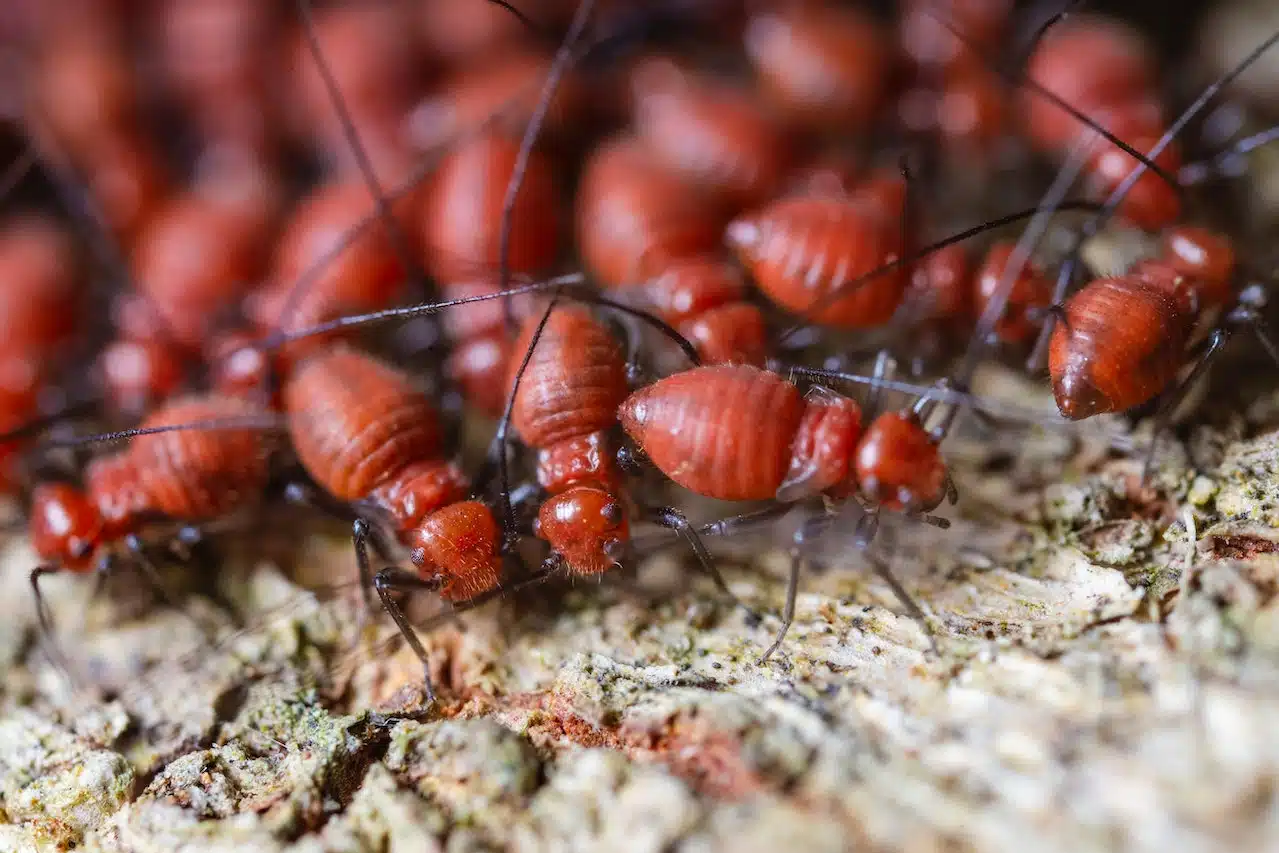
Sydney homeowners face a significant threat that can silently destroy their most valuable asset. Termite damage in Sydney properties costs Australian households millions of dollars annually, with individual repair bills often ranging from $10,000 to $50,000 or more. The warm, humid climate creates perfect breeding conditions for these destructive pests, making regular monitoring essential for property protection.
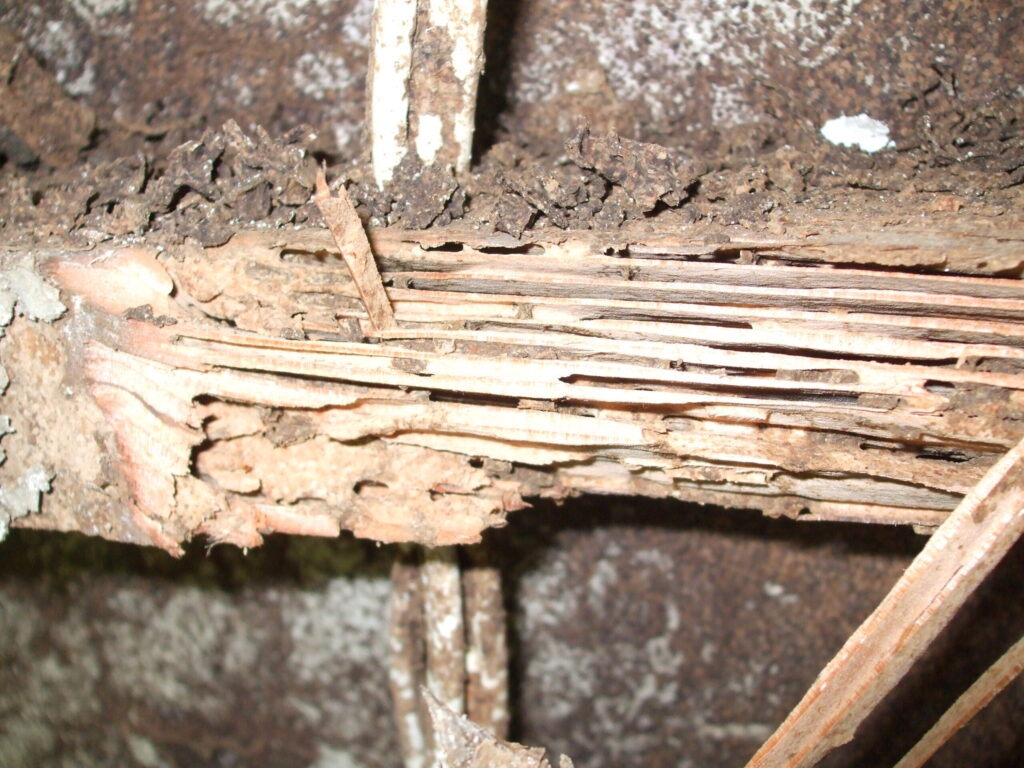
Early detection of termites sydney serves as your primary defence against catastrophic damage. Termites can consume wooden structures for months or even years before visible signs appear. By the time you notice sagging floors, hollow-sounding timber, or mud tubes along walls, extensive damage has already occurred. Regular professional inspections identify termite activity in its earliest stages, when treatment costs remain manageable and structural integrity stays intact.
The financial burden becomes even more devastating when you discover that the impact of termite infestation falls squarely on your shoulders. Home insurance policies in Sydney typically exclude termite damage coverage, leaving homeowners to bear the full cost of repairs. This exclusion means that structural damage, timber replacement, and restoration work comes directly from your pocket.
The question isn’t whether you can afford termite inspections – it’s whether you can afford to skip them. The costly repairs caused by termites far exceed the modest investment in preventive monitoring, making regular inspections one of the smartest financial decisions Sydney property owners can make.
What Factors Influence How Often Termite Inspections Should Be Done?
Termite inspection frequency depends on several critical risk factors that make Sydney properties particularly vulnerable to infestations. Understanding these elements helps you determine the appropriate inspection schedule for your specific situation.
Climate and Environmental Conditions
Sydney’s warm, humid climate creates ideal breeding conditions for termites year-round. The city’s subtropical weather patterns, combined with regular rainfall, maintain the moisture levels termites need to thrive. You’ll find that high-risk termite areas often coincide with regions experiencing consistent humidity above 60%.
Location and Landscape Features
Properties located near bushland or wooded areas face significantly elevated termite risks. Mature trees, particularly eucalyptus and other native species, serve as natural termite habitats. When your home sits within 100 metres of these environments, you’re essentially neighbouring established termite colonies that can easily migrate to your property.
Property Characteristics
Factors affecting inspections include your home’s construction materials and age. Older timber-framed houses require more frequent monitoring, especially those built before modern termite-resistant treatments became standard. Properties with:
- Timber flooring or structural elements
- Poor ventilation in subfloor areas
- Concrete slab construction with cracks
- Inadequate drainage systems
Specific Risk Amplifiers
Certain conditions dramatically increase your inspection needs. Previous termite infestations indicate your property remains attractive to colonies. Water leaks, persistent dampness, or recent plumbing issues create the moisture-rich environments termites actively seek. You should consider more frequent inspections when these conditions persist.
How Often Should Termite Inspections Be Scheduled in Sydney?
Annual termite inspections are the minimum recommendation for most properties in Sydney. This frequency follows the Australian Standards AS 3660.2, which sets the lowest inspection interval for termite management systems. The twelve-month cycle allows for sufficient monitoring of properties with average risk profiles while still being affordable for homeowners.
Biannual termite inspections become necessary when your property shows higher risk characteristics. You should think about having inspections every six months if your home has:
- Previous termite activity or damage
- Close proximity to bushland or heavily wooded areas
- Ongoing moisture problems or recent water damage
- Older timber construction with limited ventilation under the house
- Thick landscaping against external walls
Properties located in high-risk areas such as the Northern Beaches, Hills District, or places adjacent to national parks often benefit from this increased frequency. The extra inspection provides crucial early detection capabilities during Sydney’s peak termite activity periods.
Creating an effective inspection schedule for Sydney properties depends on your specific situation. A qualified pest control professional can assess your property’s unique risk factors and recommend the best frequency. Properties with comprehensive termite management systems may stick to annual schedules, while those with multiple risk factors might require quarterly monitoring.
Investing in the right inspection frequency pays off by preventing extensive structural damage that could cost tens of thousands of dollars to repair.
What Does a Typical Termite Inspection Involve?
The termite inspection process begins with a comprehensive visual examination termites specialists conduct across your entire property. Professional inspectors systematically examine your home’s structure and extend their assessment to surrounding areas within a 50-metre radius of your dwelling.
Key Areas Under Inspection
Inspectors thoroughly examine multiple zones of your property:
- Grounds and landscaping – checking garden beds, mulched areas, and soil near foundations
- Fencing structures – particularly timber fences and retaining walls
- Roof voids – accessing ceiling spaces to inspect timber framing
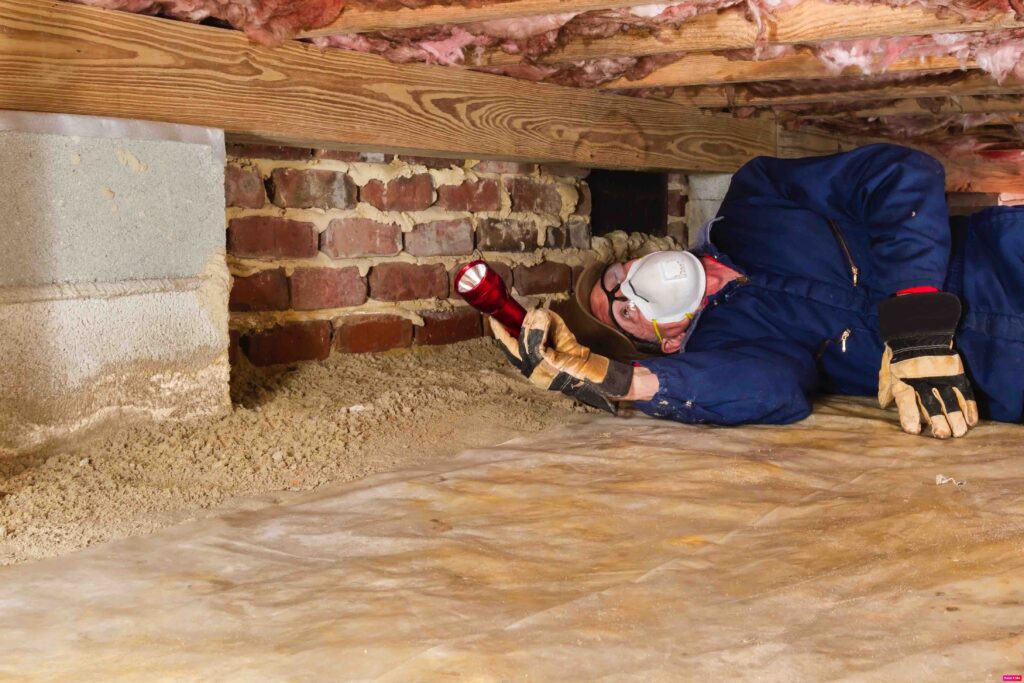
- Subfloor spaces – crawling beneath homes to examine floor joists and bearers
- External structures – sheds, decks, and pergolas
Critical Warning Signs
During the visual examination, inspectors search for specific indicators of termite activity:
- Mud tubes running along walls, foundations, or timber surfaces
- Hollow-sounding wood when tapped or probed
- Discarded wings near windows or light sources
- Frass (termite droppings) around wooden structures
- Buckling paint or wallpaper without moisture damage
Advanced Detection Methods
When visual access proves limited, inspectors employ sophisticated equipment. Thermal imaging cameras detect temperature variations indicating termite colonies behind walls. Moisture metres identify areas with elevated humidity levels that attract termites. These advanced detection methods ensure comprehensive coverage even in inaccessible spaces, providing you with confidence that no potential termite activity goes undetected during your professional inspection.
How Long Does a Termite Inspection Take and What Is Included in the Report?
The inspection duration termites typically ranges from one to two hours, depending on your property’s size and structural complexity. Smaller homes with straightforward layouts require less time, while larger properties with multiple levels, extensive grounds, or challenging access points may extend the inspection timeframe.
Professional inspectors provide comprehensive documentation following their assessment. The termite inspection report contents include several critical elements that give you a complete picture of your property’s termite risk status.
Key Report Components
Your inspection report will detail:
- Current termite activity – Any live infestations discovered during the examination
- Evidence of previous damage – Historical termite activity and structural impact assessment
- Conducive conditions – Areas where moisture problems, poor ventilation, or wood-to-soil contact create favourable environments
- Susceptible zones – Locations with higher termite risk due to structural vulnerabilities
- Fungal decay identification – Wood rot or decay that attracts termites and compromises structural integrity
Treatment and Prevention Recommendations
Based on findings, inspectors provide tailored advice for your specific situation. Active infestations receive immediate treatment recommendations with detailed action plans. Properties showing conducive conditions receive preventive measures to reduce future termite attraction.
The report includes photographic evidence of problem areas, making it easier for you to understand the inspector’s findings. You’ll receive specific recommendations for addressing moisture issues, improving ventilation, or modifying landscaping that may contribute to termite risk.
In some cases, as outlined in the USFS Timber Bridge Manual, the inspection may also include an evaluation of timber structures such as bridges for potential termite damage. This is especially relevant for properties with such structures on their premises.
What Are the Benefits of Regular Termite Inspections?
The benefits of regular inspections for termites extend far beyond simple pest detection. When you schedule consistent termite assessments, you create a protective barrier against one of Australia’s most destructive household threats.
Advantages of Early Termite Detection
Early termite detection advantages become immediately apparent when inspectors identify colonies before they establish extensive tunnel networks throughout your property. You can address small infestations with targeted treatments rather than facing complete structural renovations. A single termite colony can consume timber framing, flooring, and support beams for months before visible damage appears.
Cost Savings from Regular Inspections
Cost savings represent the most compelling reason for maintaining regular inspection schedules. You might spend $300-500 annually on professional inspections, yet avoid repair bills exceeding $20,000 when termites compromise load-bearing structures. Insurance policies typically exclude termite damage, making prevention your primary financial protection.
Peace of Mind with Professional Monitoring
Peace of mind becomes invaluable when you know qualified professionals monitor your property’s vulnerability. You can sleep soundly knowing that moisture problems, timber contact with soil, and other conducive conditions receive regular assessment. Professional inspectors identify risk factors you might overlook, such as subterranean entry points or moisture accumulation in wall cavities.
Maintaining Property Value through Inspections
Regular inspections also maintain your property’s market value. Prospective buyers often request recent termite reports, and documented inspection histories demonstrate responsible property maintenance. You protect your investment whilst ensuring your family’s safety remains uncompromised.
How Do Professional Pest Control Services in Sydney Handle Termite Inspections and Treatments?
Professional pest control Sydney companies deliver comprehensive termite management through systematic approaches tailored to each property’s unique requirements. These specialists employ proven methodologies developed through years of experience dealing with Sydney’s specific termite challenges, ensuring thorough inspections that cover all potential risk areas.
Thorough Inspections by Trained Experts
The inspection process begins with detailed visual examinations conducted by licensed technicians who understand local termite behaviour patterns. These professionals utilise advanced detection equipment including thermal imaging cameras and moisture meters to identify hidden activity that might escape untrained eyes. You receive customised inspection reports that highlight specific vulnerabilities in your property structure. Such thorough inspections are crucial for effective pest control.
Eco-Friendly Treatments for Sustainable Solutions
Eco-friendly termite treatment Sydney options have become the standard approach for reputable pest control services. These treatments prioritise the safety of your family and pets whilst maintaining effectiveness against termite colonies. Non-toxic baiting systems and targeted application methods ensure minimal environmental impact without compromising treatment success rates.
A Step-by-Step Approach to Effective Treatment
The complete treatment process follows a structured pathway:
- Initial comprehensive inspection to assess infestation extent
- Customised treatment plan development based on findings
- Targeted treatment application using appropriate methods
- Entry point sealing to prevent future access
- Follow-up inspections to monitor treatment effectiveness
Professional services maintain consistent communication throughout this process, providing you with detailed explanations of each step and expected outcomes. This systematic approach ensures long-term protection whilst addressing immediate termite threats efficiently.
When Should Homeowners Consider More Frequent or Emergency Termite Inspections?
Certain circumstances require you to move beyond the standard annual inspection schedule. Emergency termite inspection Sydney services become essential when you notice visible warning signs around your property.
Immediate Inspection Triggers
You should contact professionals immediately if you discover:
- Mud tubes along walls, foundations, or wooden structures
- Hollow-sounding timber when tapped
- Discarded wings near windows or doors
- Sagging floors or damaged wooden fixtures
- Recent water damage from leaks or flooding
Water damage creates ideal conditions for termite activity. The combination of moisture and compromised wood structures makes your property particularly vulnerable during the weeks following any water-related incident.
High-Risk Properties Requiring Closer Monitoring
Frequent inspections termites high-risk areas become necessary for properties with specific characteristics:
- Bushland proximity – Homes within 100 metres of natural vegetation face elevated termite pressure
- Previous infestations – Properties with termite history require biannual inspections minimum
- Mature tree coverage – Established gardens with large trees increase termite habitat opportunities
- Structural vulnerabilities – Older timber homes or properties with known moisture issues
Properties meeting these criteria benefit from inspections every six months rather than annually. This proactive approach allows you to catch termite activity before it progresses to structural damage, protecting your investment through early intervention strategies.
Related : Professional Termite Control Services Sydney Homeowners Trust
FAQ’s on Termite Inspections
For most Sydney properties, annual termite inspections are the minimum recommended frequency, in line with Australian Standard AS 3660.2. However, if your home has higher risk factors—such as previous infestations, bushland proximity, poor drainage, or timber construction—then biannual (every 6 months) inspections are strongly advised.
Termite damage can go undetected for years, leading to repair costs upwards of $10,000–$50,000, which are not covered by standard home insurance. Regular inspections offer early detection, allowing for cost-effective treatments before serious structural damage occurs.
Several factors affect how often your property should be inspected:
Location near bushland or national parks
Property age and construction type (e.g., timber-framed or concrete slab)
Previous termite activity
Moisture problems or poor drainage
Dense landscaping close to the building
Homes with multiple risk factors often need inspections every 6 months.
A termite inspection includes a thorough examination of:
Internal and external structures
Subfloor, roof void, fences, gardens, and retaining walls
Timber elements and areas prone to moisture
Inspectors look for mud tubes, hollow timber, frass (termite droppings), and other signs. Tools like thermal imaging cameras and moisture meters may be used for areas with limited visibility.
Most termite inspections take 1–2 hours, depending on your property’s size, layout, and accessibility. Larger or multi-level homes with extensive subfloors or outbuildings may take longer.
You’ll receive a detailed termite inspection report that includes:
Evidence of current or past termite activity
Structural vulnerabilities and moisture issues
High-risk areas
Photos of any damage or signs
Treatment or prevention recommendations
This document is useful for insurance, real estate transactions, or planning maintenance.
Regular inspections help:
Prevent costly repairs by catching termites early
Maintain property value with a clear pest history
Provide peace of mind knowing your home is professionally monitored
Fulfil warranty conditions for existing termite protection systems
Book a same-day or emergency termite inspection if you notice:
Mud tubes on walls or foundations
Sagging floors or damaged wood
Hollow-sounding timber
Discarded wings or frass near windows
Also, consider more frequent inspections if your home has had past infestations, or is located near bushland, or has ongoing damp conditions.
No. Most home insurance policies in Sydney do not cover termite damage. That makes regular inspections your best financial defence against potentially devastating repair bills.
Reputable providers follow a step-by-step approach:
Initial visual inspection using advanced tools
Detailed reporting with photographic evidence
If termites are found, development of a custom treatment plan
Eco-friendly, targeted termite treatment
Ongoing monitoring and prevention recommendations
These services are delivered by licensed, insured, and experienced technicians who understand Sydney’s unique termite threats.